




May 7, 2025
Everything You Need to Know About Mole Sauce
Mole sauce is one of Mexico’s most iconic and complex culinary treasures. More than just a condiment, mole embodies tradition, deep flavor, and time-honored technique. With roots that stretch back centuries and variations found across many regions, mole captures the soul of Mexican cooking like few other sauces can. In this article, we’ll explore the []
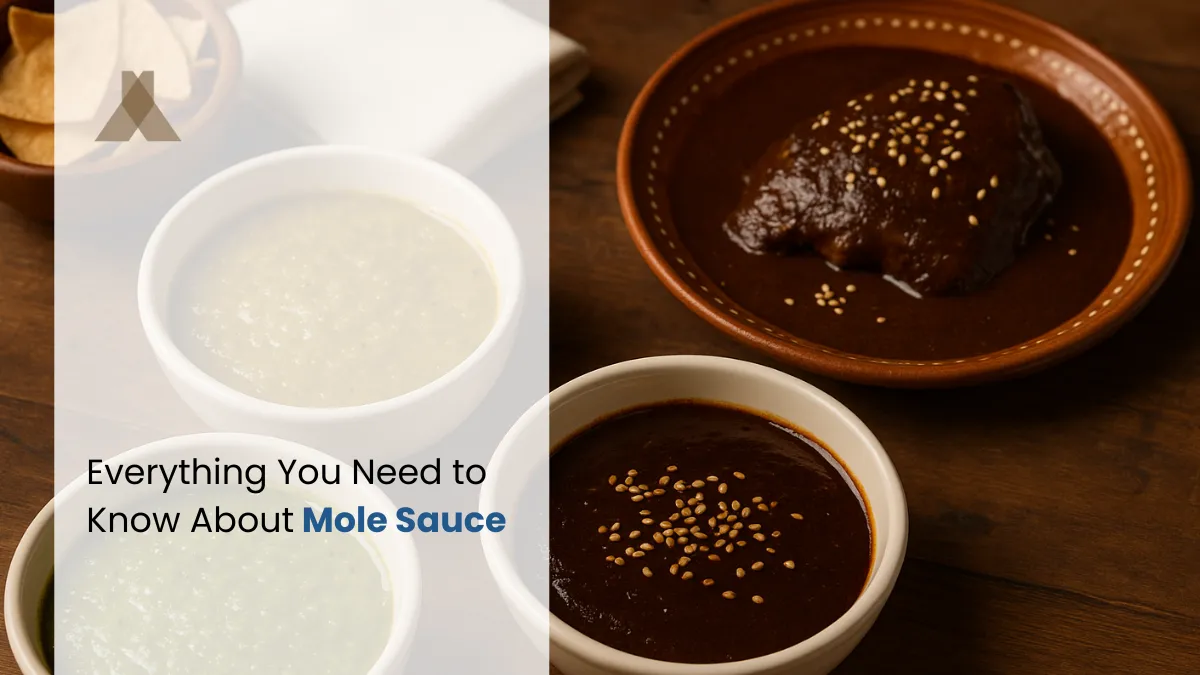
Mole sauce is one of Mexico’s most iconic and complex culinary treasures. More than just a condiment, mole embodies tradition, deep flavor, and time-honored technique.
With roots that stretch back centuries and variations found across many regions, mole captures the soul of Mexican cooking like few other sauces can. In this article, we’ll explore the world of this beloved sauce so you can appreciate its richness and enjoy it even more the next time it’s on your plate!
What Is Mole Sauce?
Mole (pronounced “moh-leh”) is a traditional Mexican sauce known for its deep, layered flavor.
Actually, it’s not just one recipe but a family of sauces, typically made with a blend of dried chiles, nuts or seeds, spices, and sometimes fruit or chocolate. The ingredients are toasted, ground, and slowly simmered into a smooth, velvety sauce.
The word “mole” comes from the Nahuatl word “mōlli”, meaning “sauce” or “mixture,” and it’s exactly that, a fusion of indigenous and Spanish influences, often tied to celebrations, family gatherings, and Sunday meals.
A Bit of History
While the exact origin is still debated, the regions of Puebla and Oaxaca are most often credited as the birthplaces of mole.
One popular legend tells of nuns in a Puebla convent who, caught off guard by a surprise visit from the archbishop, scrambled to prepare a special meal with what little they had. They combined chiles, spices, nuts, and chocolate into a thick sauce and poured it over turkey. The result was so delicious that it became a culinary icon.
Other stories trace mole back to pre-Hispanic times, when cooks used ground chiles, herbs, and seeds in ceremonial dishes. After the arrival of the Spanish, new ingredients like almonds, cinnamon, and cloves were added, which gave mole the depth and complexity we know today.
A Rainbow of Moles
One of the most fascinating things about mole is that there’s no single version. Different regions of Mexico have their own interpretations, each with its own flavor profile and ingredients.
Here are some popular types you might encounter in kitchens across Mexico:
Mole Poblano
Mole poblano hails from Puebla and it’s, perhaps, the most famous of them all.
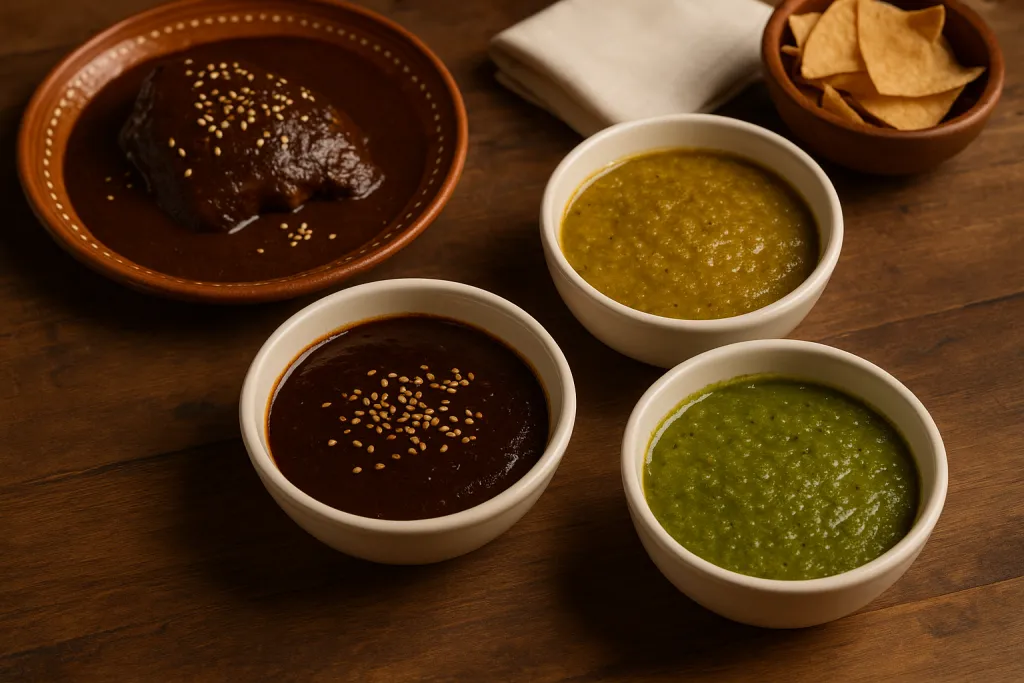
This version is rich, dark, and often contains chocolate, which gives it a slightly sweet finish. It’s traditionally served over turkey or chicken and sprinkled with sesame seeds.
Mole Negro
A specialty of Oaxaca, mole negro (black mole) is one of the most complex varieties, with over 20 ingredients.
It’s dark, smoky, and incredibly flavorful thanks to toasted chiles, spices, plantains, and a touch of chocolate.
Mole Rojo
Mole rojo (red mole), another Oaxacan favorite, gets its vibrant color from red chiles.
It’s spicier than mole poblano and has a bold, earthy taste, perfect with pork or enchiladas.
Mole Verde
Made with fresh herbs, tomatillos, and green chiles, mole verde (green mole) is lighter and brighter than its darker cousins.
It’s especially good with chicken or vegetables and brings a refreshing twist to traditional mole.
Mole Amarillo
Don’t be fooled by the name, mole amarillo (yellow mole) can range from golden to deep orange.
This variety includes yellow chiles, masa, and spices, and has a savory, slightly tangy flavor that pairs fantastically with beef or tamales.
Behind the Scenes: How Mole Is Made
Making mole starts with the toasting of dried chiles, nuts, and seeds, which deepens their flavor.
Then comes the grinding traditionally done by hand using a stone metate, but blended today. Aromatic spices like cinnamon, clove, and cumin are added, followed by ingredients such as dried fruits or Mexican chocolate (depending on the type of mole being made).
Finally, everything is simmered slowly to allow the flavors to meld into a smooth sauce.
Each batch takes time, attention, and a practiced hand.
How to Enjoy Mole
These are a few interesting ways to enjoy this incredible sauce:
- Over chicken or turkey: A classic pairing for mole poblano or mole negro.
- With enchiladas: Rolled tortillas filled with meat or cheese and bathed in mole sauce.
- As a vegetarian dish: Mole verde or mole amarillo goes beautifully with grilled vegetables or rice.
- With tamales: In some regions, mole is used as a filling or topping for tamales.
However, remember that no matter how you try it, mole adds depth and warmth to any plate. So, don’t hesitate to experiment!
More Than a Simple Sauce
Certainly, mole is a true expression of Mexican culinary artistry. Each version, served at family tables, fiestas, and holidays, reflects the local ingredients and cultural heritage of the region it comes from.
So, next time your food comes with delicious mole sauce, don’t just eat it, experience it!